Chess is Broken, Let's Fix It (Yes, Really)
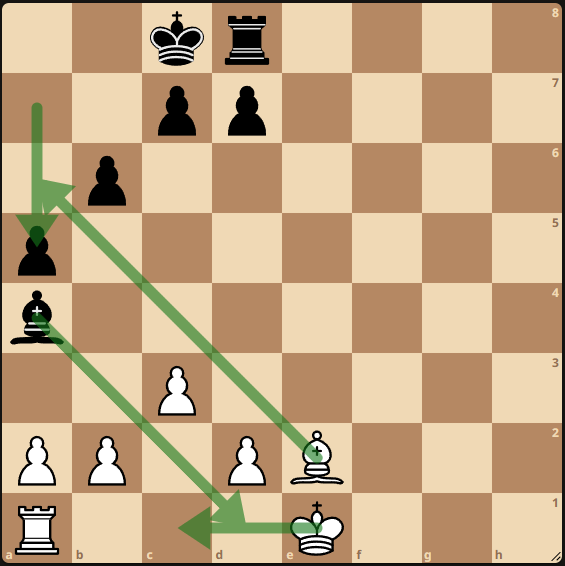
Way back in the day, hundreds of years ago, pawns could only move one square at a time. At some point, the two-square opening move was added in order to speed up the early game. This new double-move caused a problem: pawns were suddenly moving willy-nilly right past other pawns without the risk of capture in ways they never could before.
En passant (French for ‘in passing’ and, while we’re at it, French is no longer the lingua franca, so I’m sure we can come up with a better American name for this rule) was added as a fix to help the opening double-move work.
En passant only applies when a pawn moves two squares and lands beside an enemy pawn. The enemy pawn may then immediately capture as though the double-moving pawn had moved only one square.
The three conditions of en passant under the current rules of chess:
- A pawn moves two squares from its starting position.
- It lands directly beside an opposing pawn.
- The opposing pawn captures it immediately on the next move.
This covers the pawn v. pawn case, but if the point of en passant was to prevent pawns from safely skipping through squares where they could have been captured under the old one-square movement rule, then other pieces should be able to use the en passant rule as well.
Reactionaries may argue whether the current rule is good enough in this regard, whether it is worth changing the rule for edge cases, or whether the current iteration of en passant presents the best overall balance. These are all valid points when examining the rule in a vacuum; however, the main problem with en passant is how it’s not consistent with the kings castling ability.
Conditions for castling:
- The king and rook have not moved from their starting positions.
- No pieces are between the king and rook.
- The king is not currently in check.
- The king cannot pass through or end on a square attacked by an enemy piece.
In order to make the rules consistent, we could allow the king to pass through attacked squares while castling.
Adjusted condition for castling:
- The king cannot end on a square attacked by an enemy piece.
This revision to castling makes it more consistent with the current en passant rule.
Alternatively, we could reframe the en passant rule to be a risk taken by a pawn using its double-move ability:
- A pawn moves two squares from its starting position.
- That pawn passes through a square currently attacked by an enemy piece.
- The opposing player immediately captures the pawn on the next turn by moving the attacking piece to the passed-through square.
This revision to en passant, makes it more consistent with the current castling rule: any piece can interact with a piece that normally moves one square when it uses a special ability to move two squares.
There's no articles to list here yet.